[International Certification] Self-produced and self-sold galvanized machine-mounted wedge anchor - High strength and earthquake resistance
Wedge Anchor Zinc Plated
| Thread Size |
Common Length (mm) |
| M6 |
55, 65 |
| M8 |
50, 65, 80, 100, 130 |
| M10 |
65, 75, 120 |
| M12 |
80, 100, 120, 140 |
| M16 |
150, 175, 220 |
| M20 |
150, 175, 220 |
Wedge Anchor Core Selection Guide
1. Confirm Substrate Conditions: Match Concrete Strength
The superior performance of wedge anchors is built on a solid substrate. It is best suited for dense concrete with a strength of C20/25 and above. If the substrate is masonry or low-strength concrete, the anchor's load-bearing capacity will decrease significantly, posing a safety hazard. Therefore, it is essential to assess the substrate strength before purchasing; this is a fundamental prerequisite for the effective operation of wedge anchor / through bolt.
2. Focus on Key Parameters: Understanding "Maximum Fixing Thickness"
"Maximum fixing thickness" is an easily overlooked yet crucial parameter when selecting wedge anchors. It refers to the maximum thickness of the object you are fixing (such as a steel frame or equipment base).
How to calculate it? The simple formula is: Required anchor length > Object thickness + Anchor expansion stroke + Foundation depth.
For example: An M8x65mm wedge anchor may have a maximum fixing thickness of only 20mm. You must ensure that the selected length is sufficient to completely penetrate the object being fixed and that there is enough expansion space within the concrete to achieve full load-bearing capacity.
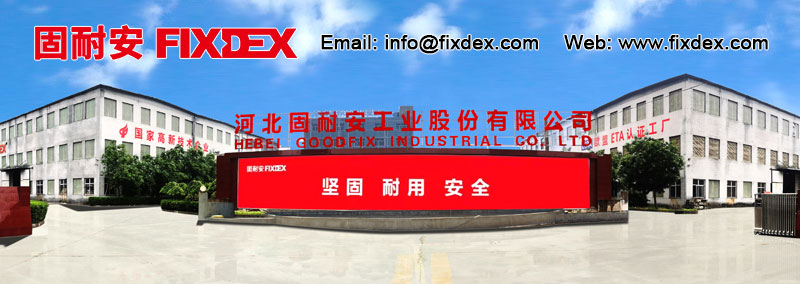
wedge anchor zinc plated factory
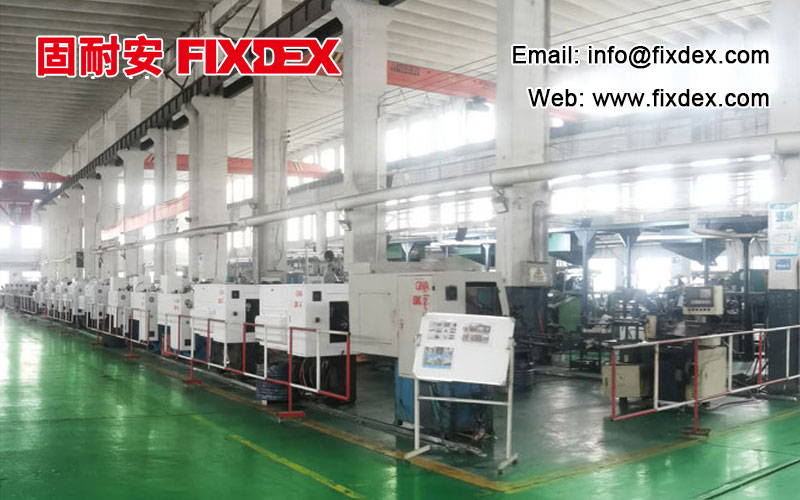
Zinc Plated Wedge Anchors workshop real shot
buy wedge anchorConcrete Wedge Anchorsfixdex Zinc Plated Wedge Anchorswedge anchor zinc plated
[International Certification] Self-produced and self-sold galvanized machine-mounted wedge anchor – High strength and earthquake resistance Related Video: